Supporting Nature in Stinchcombe – Every Garden Can Help
Small changes in our gardens and green spaces can make a big difference for pollinators, birds and other wildlife. Find out how residents can help support nature recovery in Stinchcombe.
Published: 15 May 2026
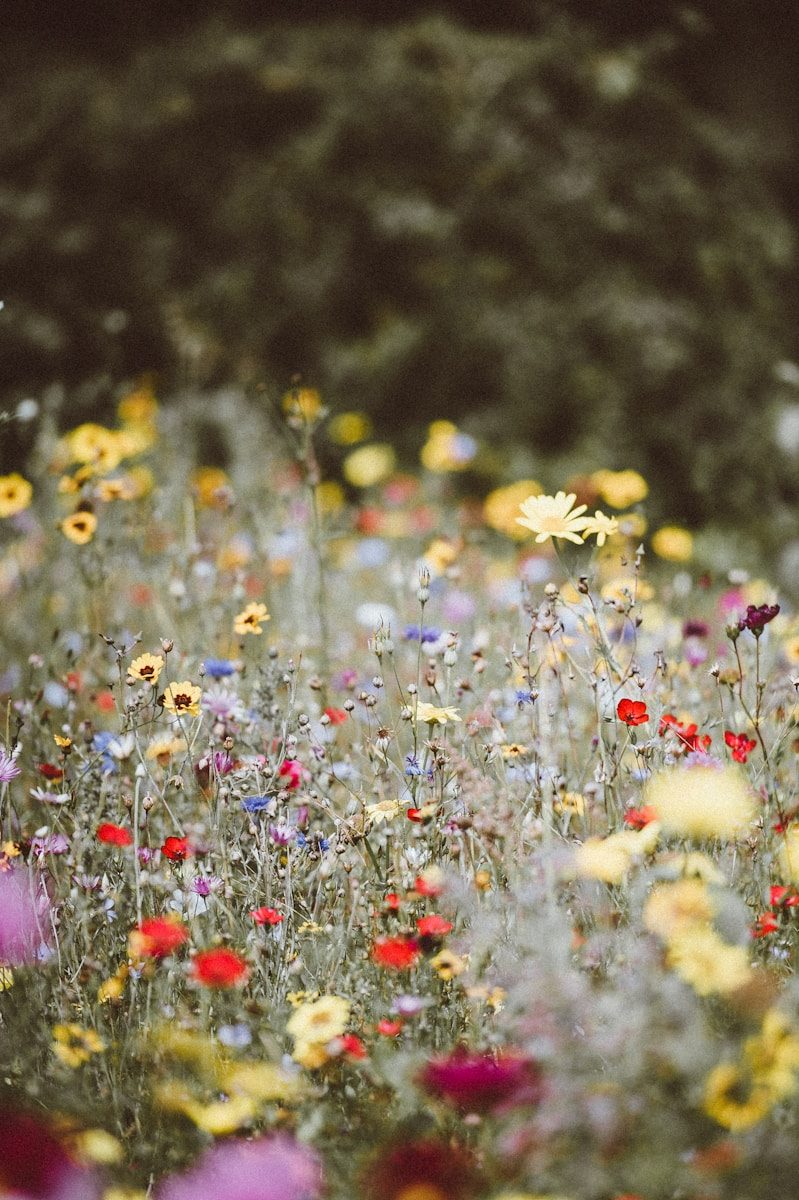
Many people will have heard of initiatives such as “No Mow May”, which encourage people to leave areas of grass uncut during spring to allow wildflowers to bloom and provide valuable food sources for bees, butterflies and other pollinators.
While the campaign focuses on May, the message is relevant throughout the year. Small changes in the way we manage our gardens and green spaces can have a significant positive impact on local wildlife.
Across Gloucestershire, local authorities and community groups are working to improve habitats, increase biodiversity and help nature recover. In Stinchcombe, residents are fortunate to live alongside a rich variety of habitats including hedgerows, grassland, woodland and the escarpment landscape, all of which support a wide range of wildlife.
There are many simple ways residents can help:
• Leave a small area of lawn to grow naturally.
• Plant pollinator-friendly flowers and shrubs.
• Avoid using pesticides where possible.
• Leave seed heads and plant stems over winter for insects and birds.
• Create habitat piles using logs, branches or leaves.
• Provide fresh water for birds, insects and other wildlife.
• Consider planting native species that support local ecosystems.
Allowing even a small corner of a garden to grow naturally can provide valuable food and shelter for insects, birds and small mammals.
The Parish Council is grateful to the volunteers involved in the Stinchcombe Environment and Biodiversity Group, who continue to promote practical projects and activities that help support wildlife and encourage greater understanding of the natural environment.
The recent Nature Nurturing event highlighted some of the many ways that residents can engage with and support nature locally.
Whether you have a large garden, a small courtyard or simply a few pots outside your front door, every action can help create a healthier environment for wildlife and future generations.
Together, small changes can make a big difference.